Brewing Makgeolli at home is a journey into the heart of Korean culture. As a traditional rice wine, it represents a living fermentation process that combines rice, water, and nuruk.
Table of Contents
- 1. What I Tried to Brew: Buyi-ju (Dongdongju)
- 2. Essential Ingredients and Traditional Ratios
- 3. The Critical Step: Preparing the Rice
- 4. Steaming Godubap for Perfect Fermentation
- 5. Mixing Nuruk and the Fermentation Ritual
- 6. Monitoring the Living Fermentation Process
- 7. Expert Lessons for Successful Homebrewing
- 8. Conclusion and Future Batches
1. What I Tried to Brew: Buyi-ju (Dongdongju)
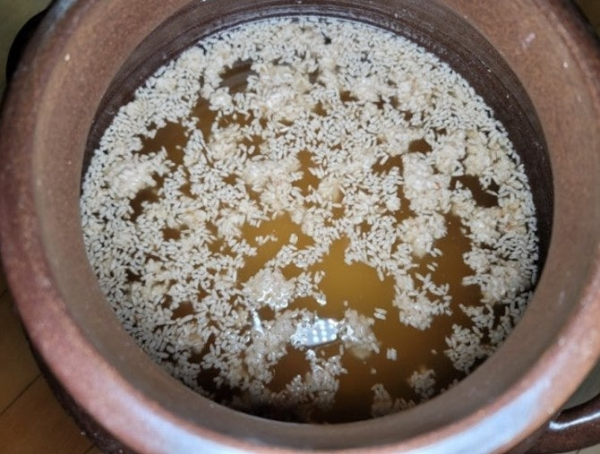
The specific type of Makgeolli I chose for this experiment was Buyi-ju, also famously known as Dongdongju. In the world of Korean alcohol, the name refers to the visual of rice grains floating like small ants on the surface of the wine. Unlike commercial filtered versions, this homebrewed variety highlights the raw beauty of Korean rice wine.
This method follows a single-stage fermentation known as Danyangju. While professional brewers might prefer multi-stage brewing (Jung-yang-ju) for higher alcohol content and complexity, Danyangju is the perfect entry point for those learning how to brew Makgeolli at home. It offers a bright, rustic flavor that captures the essence of the grains.
2. Essential Ingredients and Traditional Ratios
Success in brewing starts with the quality of your ingredients. For this batch, I prioritized nuruk, which is a traditional Korean fermentation starter containing wild yeast and various molds. This is what differentiates authentic Makgeolli from simple rice wine made with commercial yeast.
| Ingredient | Amount (Metric) | Traditional Unit |
|---|---|---|
| Glutinous Rice | 4 kg | ~1/2 mal |
| Nuruk (Fermentation Starter) | 300 g | ~0.5 doe |
| Purified Water | 2.7 L | ~1.5 doe |
Using glutinous rice (Chapsal) instead of regular white rice provides a smoother, sweeter finish. The ratio of water to rice is also crucial; too much water can dilute the alcohol, while too little may halt the fermentation process prematurely.
3. The Critical Step: Preparing the Rice
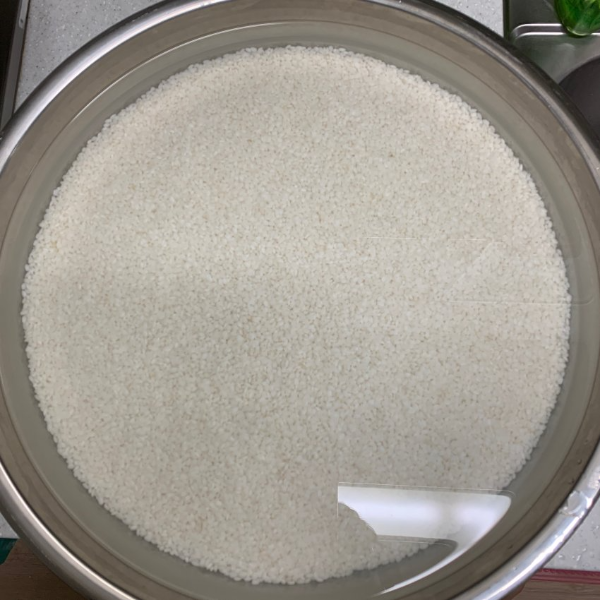
In traditional brewing, the way you wash the rice is called Baek-se, meaning "washing a hundred times." While you don't literally need to wash it 100 times, the goal is to reach a state where the water runs perfectly clear. This removes the surface proteins and fats that can lead to unpleasant smells in your final Makgeolli.
After washing, the rice must be soaked for 8 to 12 hours. This ensures that every grain is fully hydrated before steaming. If the core of the grain remains dry, the enzymes in the nuruk cannot effectively convert the starch into sugar, leading to a failed batch.
4. Steaming Godubap for Perfect Fermentation
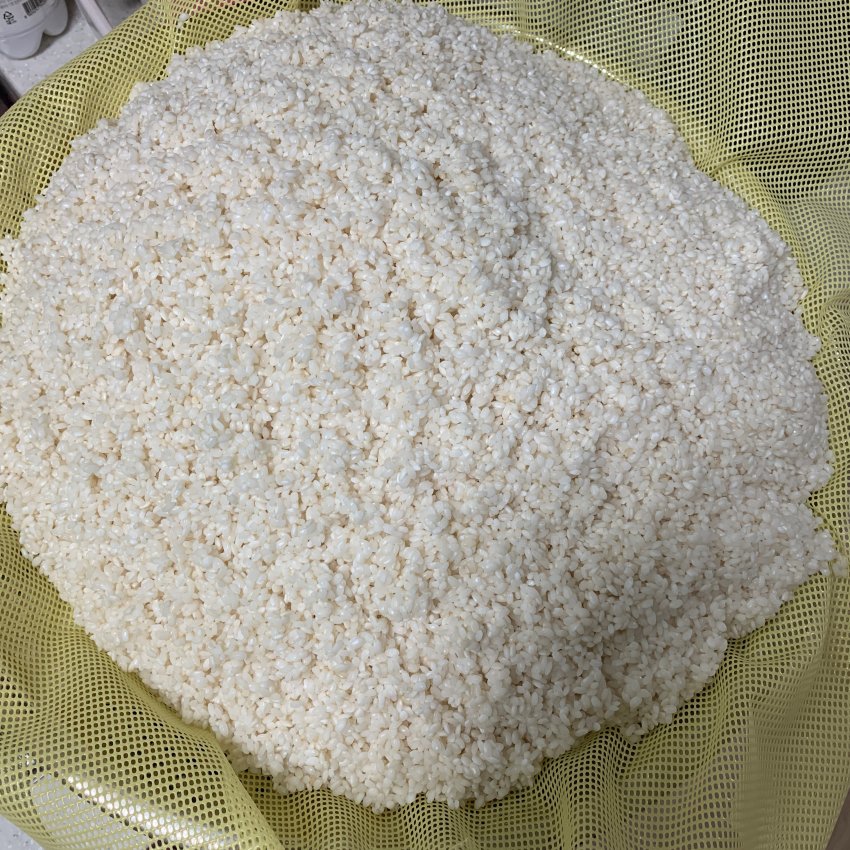
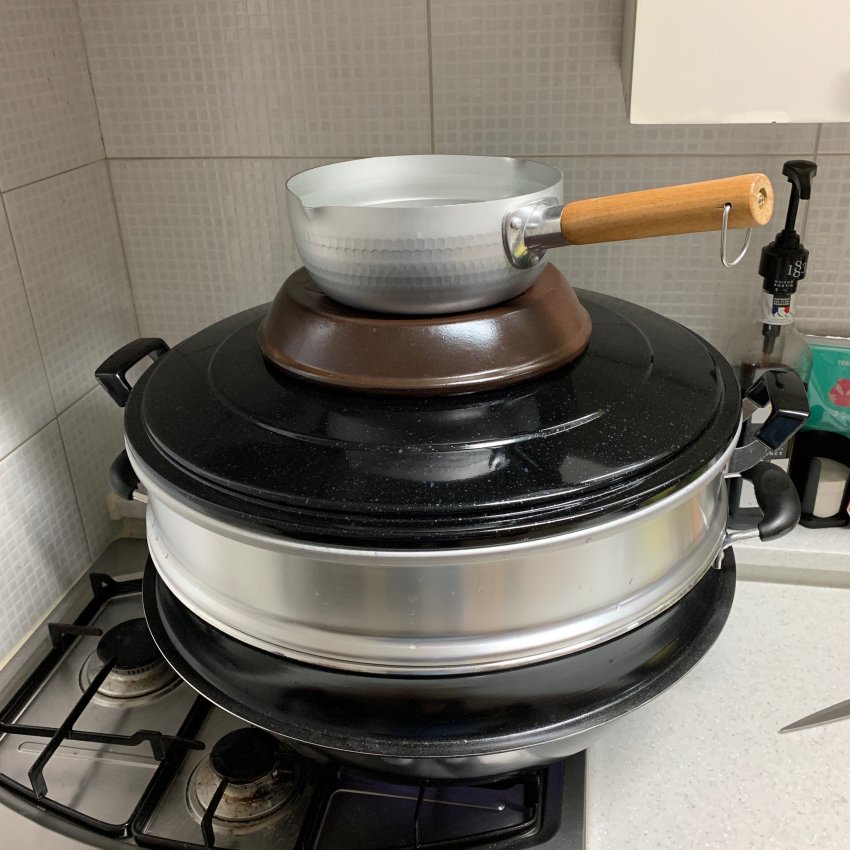
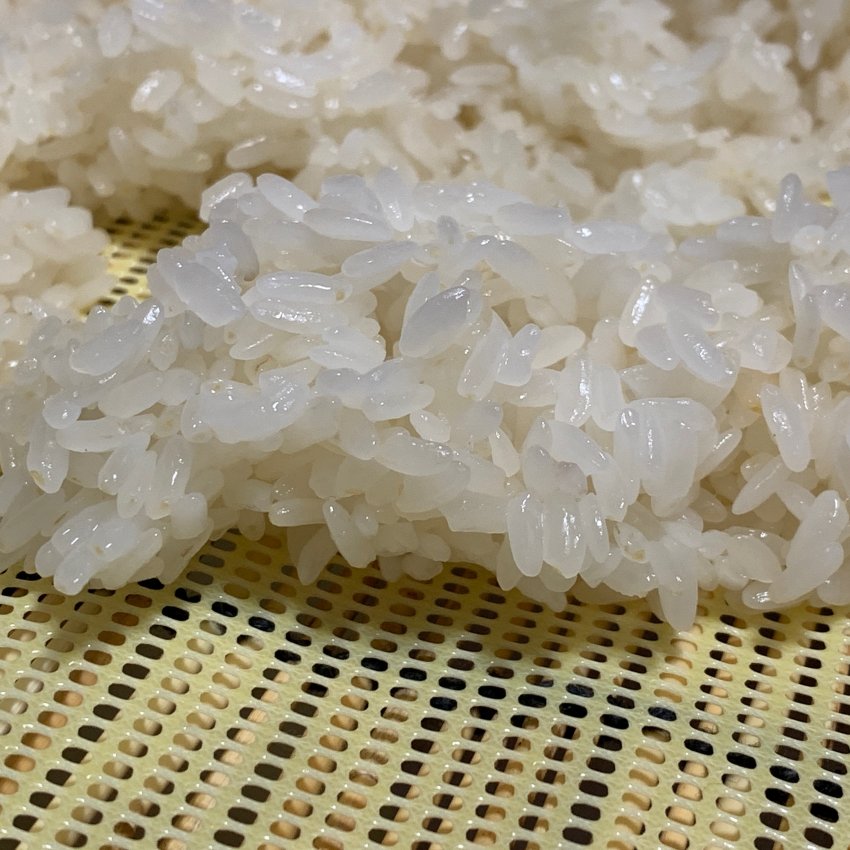
The next phase involves creating Godubap. This is hard-steamed rice that is cooked purely by steam rather than boiling in water. The texture should be firm and individual grains should remain separate. This structure is vital because it allows air to circulate within the fermentation vessel, helping the aerobic microbes in the early stages.
Once the rice is steamed, it must be cooled completely. If you mix the nuruk with hot rice, the heat will kill the delicate yeast and bacteria, ruining the fermentation before it even starts. Spreading the rice on a clean mat to air-cool is the best practice for homebrewers.
5. Mixing Nuruk and the Fermentation Ritual
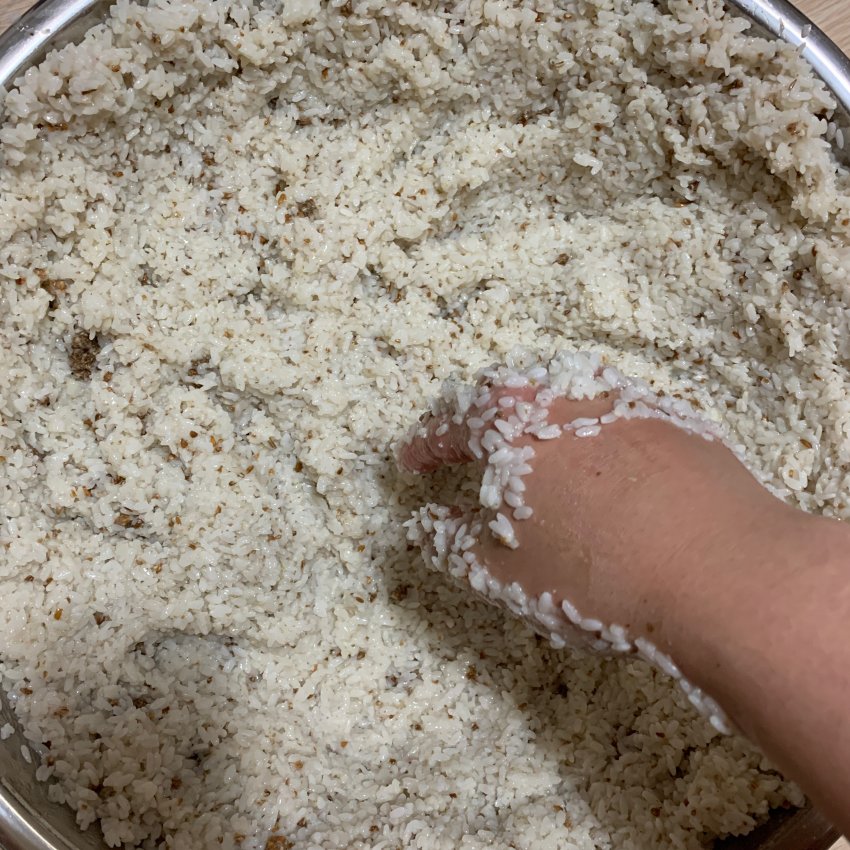
Mixing the cooled Godubap with water and nuruk is a tactile experience. You must use your hands to ensure every grain is coated with the fermentation starter. This is where the "hand flavor" (Son-mat) of the brewer comes into play. In my experience, spending extra time on this manual mixing leads to a more vigorous and healthy fermentation.
The container must be sterilized thoroughly. Since we are dealing with wild cultures, any unwanted bacteria can quickly take over.
6. Monitoring the Living Fermentation Process
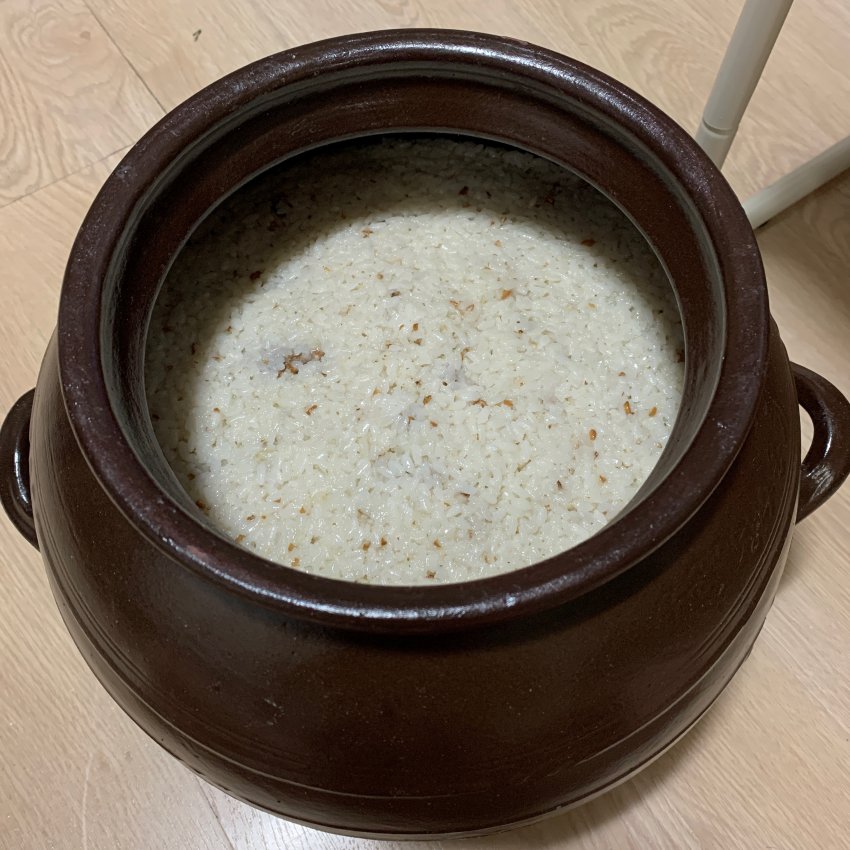

Once the jar is sealed with a breathable cloth, the magic begins. During the first 48 hours, you will hear a rhythmic bubbling sound. This is the carbon dioxide escaping as the yeast consumes the sugars. At this stage, maintaining a temperature of approximately 25°C is ideal.
Fermentation is a dynamic process. After the initial peak, the activity slows down. At home, controlling temperature is the biggest challenge. A sudden drop in temperature can make the wine sour, while too much heat can lead to a bitter, alcoholic burn. I found that wrapping the jar in a blanket helped stabilize the environment during cold nights.
7. Expert Lessons for Successful Homebrewing
Through this log, I have identified four pillars of successful homebrewing:
- Precision in Rice Preparation: Never rush the soaking or draining phase.
- Nuruk Selection: The quality and age of your nuruk define the aroma profile.
- Temperature Control: Consistency is more important than the absolute degree.
- Patience: Do not open the lid too often; let the microbes work in peace.
8. Conclusion and Future Batches
Brewing Makgeolli at home is not just about the final drink; it is about the sensory experience of working with living organisms. My first batch of Buyi-ju had a wonderful balance of sweetness and acidity, despite the challenges of home temperature fluctuations.
If you are looking to start your own fermentation journey, start small, stay clean, and observe the rice as it transforms. The joy of sipping a glass of rice wine that you crafted with your own hands is truly incomparable. In my next post, I will explore multi-stage brewing to achieve a higher ABV.
❓ Is homemade Makgeolli different from commercial Makgeolli?
Yes. Commercial Makgeolli is often pasteurized and filtered, whereas homemade versions are "living" wines with active yeast and more complex, rustic flavors.
❓ Why is temperature important in fermentation?
Temperature dictates the speed of yeast activity and the production of esters; keeping it stable prevents the wine from becoming overly sour or bitter.
❓ Is Makgeolli difficult to make at home?
The basic steps are simple, but mastering the nuances of nuruk and fermentation timing requires practice and careful observation.
✔️Want to brew your own Korean alcohol at home?
If you have any questions about the brewing process, ingredients, or fermentation tips, feel free to leave a comment or reach out! I am more than happy to help fellow enthusiasts start their own Gayangju journey.
'Brewery' 카테고리의 다른 글
| How Small Korean Breweries Are Reviving Traditional Alcohol (0) | 2026.04.18 |
|---|---|
| Guksundang Brewery: Tradition Meets Modern Makgeolli (0) | 2026.04.12 |
| Inside a Korean Brewery: How Makgeolli is Really Made (0) | 2026.04.12 |


