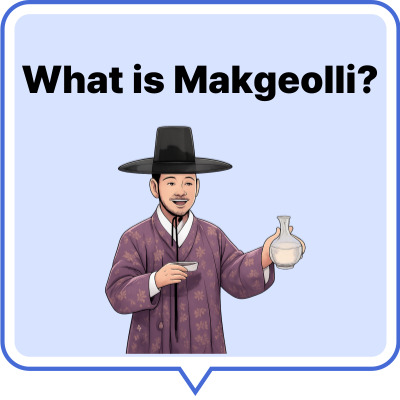
If you are wondering What is Makgeolli and whether this sparkling Korean rice wine is worth trying, you have come to the right place. This ancient beverage is currently going global, captivating drinkers with its unique probiotic profile and refreshing, milky texture that defies traditional categories.
Table of Contents
1. The Origin and History of Makgeolli
To understand What is Makgeolli, we must look back over a thousand years. As a K-Sool sommelier, I often describe it as the soul of the Korean people. Dating back to the Three Kingdoms era, it was primarily the drink of farmers and the working class. Its name translates to "roughly filtered," describing the rustic process where fermented rice mash is squeezed through a coarse cloth, leaving the liquid cloudy and full of character.
Historically known as Nongju (farmer's liquor), it provided essential calories and hydration during intensive labor. Today, this tradition has evolved into a global craft movement. For those interested in how modern versions compare to these rustic roots, check my analysis of Premium vs Commercial Makgeolli to see the quality shift in recent years.
2. The Secret of Nuruk: How It's Made
The authentic brewing process is a delicate balance of three simple ingredients: steamed rice, water, and Nuruk. Nuruk is a traditional fermentation starter made from wheat or rice that harbors wild yeasts and molds from the environment. This is the biological engine that differentiates Korean rice wine from Japanese sake, which uses a specific cultivated mold called Koji.
The rice is washed, steamed, and cooled before being mixed with water and crushed Nuruk in Onggi (earthenware jars). Over one to two weeks, the starches convert to sugar and then alcohol. To learn more about the step-by-step artisanal method, read our detailed guide on How Makgeolli is Made.
| Category | Traditional Craft Makgeolli | Mass-Produced Commercial |
|---|---|---|
| Fermentation | Natural (14-30 days) | Accelerated (3-5 days) |
| Ingredients | Premium Rice, Pure Nuruk | Imported Rice, Aspartame, Yeast |
| Carbonation | Natural Fizz | Artificial Carbonation |
| Flavor | Deep, Silky, Complex | Sweet, Light, Fizzy |
3. Understanding the Unique Taste and Texture
So, What does Makgeolli taste like? It is a fascinating equilibrium of four elements: sweetness, acidity, bitterness, and astringency. The first sip often reveals a gentle sweetness from the rice, followed by a refreshing tanginess produced by lactic acid bacteria. The mouthfeel is creamy and slightly chalky due to the fine rice sediment that remains in the bottle.
High-end varieties may present notes of green apple, banana, or flowers, even without any additives. It is essentially a sparkling rice cider with the body of a light yogurt drink, making it incredibly versatile for various palates.
4. Probiotic Health Benefits of Korean Rice Wine
A frequent question I hear is: Is Makgeolli healthy? While it is alcoholic, it is uniquely nutritious. Unpasteurized "Draft" Makgeolli is a living beverage teeming with Lactobacillus. One bottle can contain as many probiotics as 100 cups of yogurt, aiding digestion and supporting a healthy gut microbiome. It is also rich in Vitamin B complex and essential amino acids, which are known to support skin health.
5. Professional Etiquette: How to Drink Properly
To experience Makgeolli like a local, you must follow traditional social rituals. First, it is served in small brass or ceramic bowls rather than glasses. The wide bowl allows the sediment to stay mixed and makes it easy to appreciate the aroma. For more cultural context, see How Koreans Drink Makgeolli.
Before opening, the bottle must be mixed. Turn it upside down and swirl gently. Never shake it like a soda, as the natural gas can cause a mess. It is also polite to pour for others using two hands as a sign of respect.
6. The Best Food Pairings (Anju)
In Korea, Makgeolli is inseparable from Anju (food served with alcohol). The most iconic pairing is Jeon (Korean savory pancakes). The oiliness of a fried pancake is perfectly balanced by the acidity and carbonation of the wine. Other excellent pairings include Bossam (boiled pork) and spicy stir-fried octopus, where the sweetness of the wine tempers the chili's heat.
7. Conclusion
Understanding What is Makgeolli is a gateway to the heart of Korean hospitality. It is a bridge between an ancient agrarian past and a modern, health-conscious future. Whether you are enjoying a casual bowl on a rainy day or tasting a premium craft flight, Makgeolli offers a depth of flavor that is truly unique in the world of spirits.
Frequently Asked Questions
❓ Does Makgeolli go bad?
Yes, fresh draft versions usually last 10 to 30 days in the fridge. Pasteurized bottles can last up to a year but lose their live probiotics.
❓ How much alcohol is in Makgeolli?
Most commercial bottles range from 6% to 9% ABV. Premium varieties made with less water can go as high as 15%.
❓ Is Makgeolli gluten-free?
Generally no, because the starter Nuruk is often made from wheat. However, some craft brands now produce rice-only gluten-free versions.
❓ What does Makgeolli taste like?
It is a balance of sweet, tangy, and slightly bitter flavors with a creamy, bubbly mouthfeel similar to sparkling rice yogurt.
❓ Is Makgeolli healthy?
In moderation, yes. It contains high levels of Vitamin B and millions of live probiotics that aid gut health and digestion.
'Basic' 카테고리의 다른 글
| Makgeolli vs Sake: Key Differences in Taste, Brewing, and Culture (0) | 2026.04.16 |
|---|---|
| How Korean Soju is Made: Distillation Process Explained (0) | 2026.04.15 |
| Traditional Soju vs Commercial Soju: What’s the Real Difference? (0) | 2026.04.13 |
| What is Soju? Complete Guide to Korean Distilled Alcohol (0) | 2026.04.13 |
| Makgeolli vs Soju vs Yakju: Key Differences Explained (0) | 2026.04.12 |


