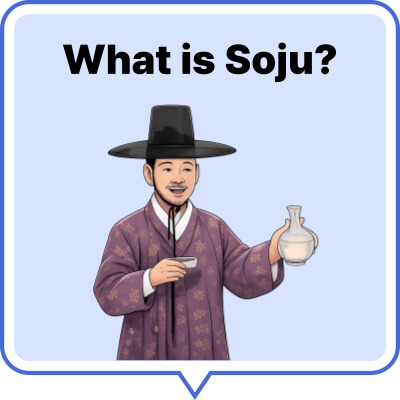
Soju is the representative distilled spirit of South Korea, known for its clear appearance and smooth finish. Understanding what is Soju is the first step into appreciating Korean culture and its unique social drinking etiquette.
Table of Contents
1. The Origin and History of Soju
The history of Soju dates back to the 13th century during the Goryeo Dynasty. It was first introduced to the Korean peninsula by the Mongols, who had learned the art of distillation from the Persians. This distilled alcohol was originally a luxury item reserved for royalty and medicinal purposes.
Traditionally, it was made by distilling fermented rice. However, during the Korean War and subsequent rice shortages, the government banned the use of rice for spirits. This led to the rise of diluted Soju, made by mixing high-purity ethanol with water and flavorings, which remains the dominant form today. If you are interested in historical beverages, you can learn more about Soju's historical evolution on Wikipedia.
2. Different Types: Traditional vs. Diluted
As a sommelier of Korean spirits, I often explain that not all Soju is created equal. There are two primary categories that consumers should distinguish between: Traditional Soju and Diluted Soju.
Traditional Distilled Soju
This type is crafted through the slow distillation of fermented grains like rice, barley, or wheat. Brands like Hwayo or Andong Soju fall into this category. They offer a much higher ABV (often 25% to 53%) and carry complex aromatic profiles that reflect the quality of the raw ingredients.
Modern Diluted Soju
This is the iconic "green bottle" drink found in every Korean restaurant. It is mass-produced using starches like sweet potato or tapioca. It is affordable, has a lower ABV (usually 13-17%), and is designed for high-volume social consumption.
| Feature | Traditional Soju | Diluted (Green Bottle) |
|---|---|---|
| Main Ingredient | Rice, Barley, Wheat | Sweet Potato, Tapioca, Rice |
| Production Method | Single Distillation | Continuous Distillation + Dilution |
| ABV Range | 25% - 53% | 12.9% - 17% |
| Flavor Profile | Rich, Grainey, Complex | Neutral, Sweet, Clean |
3. How to Drink Soju: Etiquette and Pairings
Korean drinking culture is deeply rooted in Confucian values, emphasizing respect for elders and communal bonding. When drinking Korean spirits, there are several rules to follow to show proper etiquette.
- Two Hands Rule: Always receive and pour the glass with two hands when interacting with someone older or of higher status.
- Turn Away: When taking a shot in front of an elder, it is polite to turn your head slightly to the side.
- Never Pour Your Own: It is customary to fill others' glasses, and they will return the favor.
Regarding food pairings, Soju is incredibly versatile. It is best enjoyed with savory, spicy, or fatty foods. The clean finish of the alcohol cuts through the richness of Korean BBQ (Samgyeopsal) or spicy stews (Jjigae).
4. Popular Soju Cocktails and Trends
In recent years, the global popularity of K-culture has brought flavored Soju and cocktails to the forefront. These variations are particularly popular among younger generations and international drinkers who prefer a lower alcohol bite.
Somaek (Soju + Beer)
Somaek is the most popular way to consume these spirits in a social setting. It involves mixing a shot of Soju into a glass of light lager. The ratio is typically 3:7, creating a refreshing drink with a hidden kick.
Flavored Variations
Strawberry, peach, grape, and grapefruit flavors have revolutionized the market. These are much sweeter and easier to drink, often compared to hard seltzers or fruit juices, making them a staple at parties.
5. Comparing Soju with Other Spirits
When people ask what is Soju, they often compare it to Vodka or Sake. While they share some similarities, the differences are significant. Soju has a lower alcohol content than Vodka and a more varied mouthfeel. Unlike Sake, which is a brewed rice wine, Soju is a distilled spirit, giving it a sharper clarity and different chemical structure.
From my experience, those who enjoy a clean, non-lingering taste in their alcohol tend to prefer Soju over heavier Western spirits. It acts as a perfect canvas for various mixers while maintaining its own distinct identity.
❓ What does Soju taste like?
Soju has a clean, neutral profile similar to vodka but with a sweeter and smoother finish, often featuring subtle hints of rice or sweet potato.
❓ How much alcohol is in a typical bottle of Soju?
Standard modern green-bottle Soju typically contains between 12.9% and 17% alcohol by volume (ABV).
❓ Is Soju gluten-free?
While many modern brands use sweet potatoes or tapioca, traditional versions may use barley or wheat, so it is important to check the specific brand's ingredients.
Conclusion
In summary, Soju is more than just an alcoholic beverage; it is a cultural icon that represents the spirit of Korean togetherness. Whether you are sipping a high-end traditional version or sharing a green bottle over BBQ, understanding the nuances of this spirit enhances the experience. As the world continues to embrace Korean culture, the popularity of this versatile distilled alcohol is only set to grow. Cheers, or as we say in Korea, Gunbae!
Recommended Articles:
- The History of Korean Traditional Alcohol: From Past to Present
- Makgeolli vs Soju vs Yakju: Key Differences Explained
'Basic' 카테고리의 다른 글
| Makgeolli vs Sake: Key Differences in Taste, Brewing, and Culture (0) | 2026.04.16 |
|---|---|
| How Korean Soju is Made: Distillation Process Explained (0) | 2026.04.15 |
| Traditional Soju vs Commercial Soju: What’s the Real Difference? (0) | 2026.04.13 |
| Makgeolli vs Soju vs Yakju: Key Differences Explained (0) | 2026.04.12 |
| What is Makgeolli? Taste, Benefits & How to Drink Korean Rice Wine (0) | 2026.04.12 |


