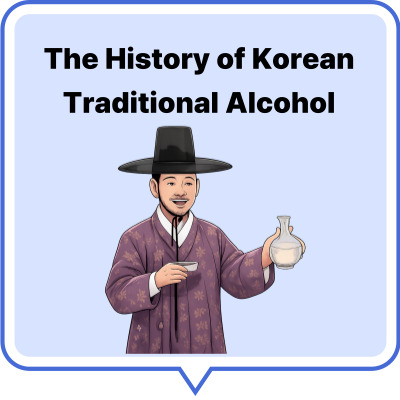
The story of Korean traditional alcohol is a reflection of the nation's turbulent yet resilient history. For thousands of years, brewing was an essential part of daily life, integrated into seasonal rites, ancestor worship, and hospitality. From the sophisticated clear liquors of the royal courts to the cloudy rice wines enjoyed by farmers, the spectrum of Korean brewing heritage is vast. However, this tradition faced a near-extinction during the 20th century. Today, we are witnessing a remarkable revival. In this article, we journey through the eras of Korean spirits, exploring how ancient techniques have been adapted for the modern connoisseur.
Historical Timeline
1. Ancient Origins: The Era of Gashiju
Alcohol has been part of Korean culture since the Three Kingdoms period. Records suggest that Koreans used Nuruk (a fermentation starter) as early as the 3rd century. During the Goryeo Dynasty, brewing became more sophisticated with the introduction of distillation techniques from the Mongols, which birthed the first versions of traditional Soju. At this time, alcohol was known as "Gashiju" (house-brewed wine), and every village had its own unique recipe based on the local water and grain. For deep historical research on Goryeo culture, the National Museum of Korea provides invaluable resources.
2. The Golden Age: Joseon Dynasty Home-Brewing
The Joseon Dynasty (1392–1910) is considered the golden age of traditional Korean liquor. Brewing was a fundamental skill for housewives, as serving high-quality alcohol to guests and using it in ancestral rites was a matter of family honor. This led to the development of hundreds of varieties, including "Samyangju" (triple-brewed wine) and medicinal liquors infused with herbs. The diversity was staggering, with each household maintaining its own "Ssul-ssi" (seed wine) passed down through generations. To learn more about Joseon social structures, visit the Cultural Heritage Administration.
3. The Dark Period: Colonial Rule and Grain Bans
The decline of authentic Korean brewing began during the Japanese colonial period (1910–1945), when the Liquor Tax Act of 1909 effectively banned home-brewing to centralize tax collection. Traditional small-scale breweries were forced to close, replaced by large industrial factories. The situation worsened after the Korean War; due to severe food shortages, the government passed the Grain Management Act in 1965, which prohibited using rice for alcohol. This era forced producers to use chemicals and starches like sweet potatoes, leading to the rise of the "green bottle" diluted soju we see today.
4. The Rebirth: Modern Makgeolli Renaissance
The turning point came in the late 1980s and 1990s when the ban on rice brewing was lifted. A new generation of brewers began rediscovering old texts like the "Gyuhap Chongseo" (a 19th-century women's encyclopedia) to restore lost recipes. This sparked the Makgeolli Renaissance of the 21st century. Today, young entrepreneurs are combining traditional methods with modern branding, creating a "Newtro" (new + retro) trend that has made traditional alcohol popular in trendy districts like Seongsu and Hannam-dong. For a guide on what to drink now, see 2026.04.12 - [Guide] - Top 5 Makgeolli You Must Try in Korea
5. Preserving Intangible Cultural Assets
To ensure these traditions never disappear again, the Korean government designates master brewers as Intangible Cultural Assets. Spirits like Munbae-ju, Myeoncheon Dugyeonju, and Gyodong Beopju are strictly protected. These spirits are brewed exactly as they were hundreds of years ago, using specific local ingredients and zero additives. Below is a summary of historical shifts in Korean alcohol production.
| Era | Dominant Style | Key Characteristic |
|---|---|---|
| Goryeo | Nuruk-based Wines | Introduction of distillation from Mongols. |
| Joseon | Gashiju (Home-brew) | Peak of diversity; hundreds of family recipes. |
| Colonial/Post-War | Industrial/Diluted | Home-brewing banned; rice replaced by starch. |
| Modern | Artisanal/Premium | Restoration of rice-based traditional methods. |
❓ Why was home-brewing banned in Korea?
It was primarily banned during the Japanese colonial era to control the production of alcohol and maximize tax revenue, which effectively destroyed thousands of unique family recipes.
❓ What is the oldest recorded Korean alcohol?
While records are ancient, "Gokju" (grain wine) mentioned in documents from the Three Kingdoms era is considered the ancestor of modern Makgeolli and Yakju.
❓ Are there any alcohols today that taste like they did 500 years ago?
Yes, spirits designated as National Intangible Cultural Heritage, such as Andong Soju or Hansan Sogokju, are made using original Joseon-era techniques and ingredients.
Conclusion
The history of Korean traditional alcohol is a story of survival. Despite colonial bans and grain shortages, the soul of Korean brewing lived on in secret and in the memories of elders. Today's craft movement is not just about making drinks; it is about reclaiming a cultural identity that was almost lost. As you enjoy a glass of cold Makgeolli or a refined Yakju, you are tasting a legacy that has been fermented over centuries. The future of Korean spirits looks brighter than ever as it gains international recognition as a world-class artisanal craft.
2026.04.12 - [Basic] - Makgeolli vs Soju vs Yakju: Key Differences Explained
'culture' 카테고리의 다른 글
| How Koreans Used Alcohol to Share Joy and Sorrow (0) | 2026.04.20 |
|---|---|
| The Three Great Traditional Korean Liquors of the Joseon Dynasty (0) | 2026.04.16 |
| Soju Brands Featured in Itaewon Class Explained (0) | 2026.04.16 |
| Korean Alcohol Seen in Squid Game: What Are They Drinking? (0) | 2026.04.15 |
| How Koreans Actually Drink Makgeolli (Local Perspective) (0) | 2026.04.12 |


